
From first enquiry to a settled routine
Here is the practical side: how enrollment happens, what a typical day looks like, and how the different programme tracks fit together.
Four steps before a child's first full day
Initial conversation
A short call or message to share your child's age, interests and any specific needs, so we can suggest the right group.
Visit and observation
You walk through the rooms, meet the group's educators, and see a session in progress without any obligation to commit yet.
Enrollment paperwork
Basic health information, emergency contacts and an attendance plan are agreed on, including the afternoon hours you need.
A gradual settling-in period
New children begin with shorter days for the first week or two, extending gradually as they grow comfortable with the group.
The structured core of the day
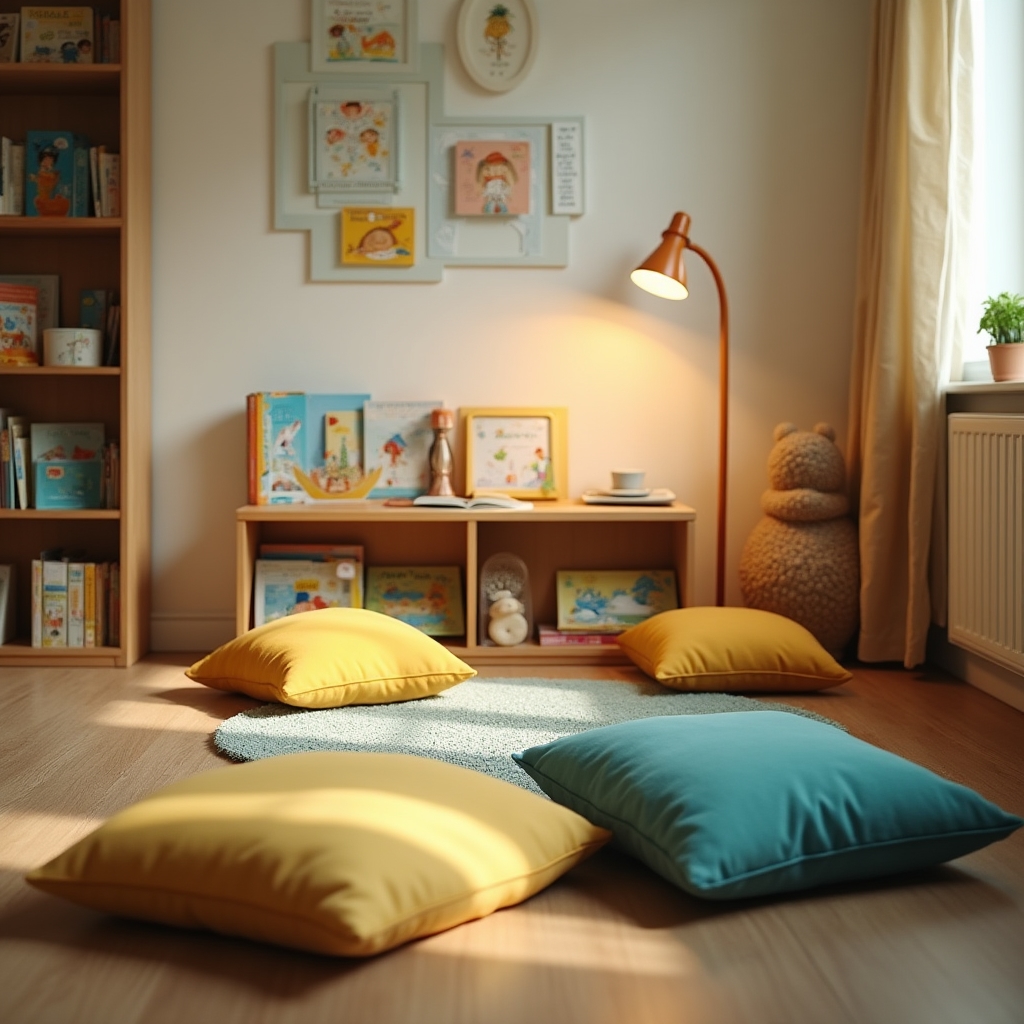
Mornings follow the same shape most days, which children tend to find reassuring. After a settled arrival window, groups move into the main programme block: a mix of guided play, small tasks and short group activities tailored to the age range in the room.
Two-and three-year-olds spend more of this time on sensory and motor activities, while five-to seven-year-olds move toward slightly longer focused tasks, early letters and numbers folded into games, and simple group projects.

Built around a working parent's schedule
Rather than closing mid-afternoon, the centre keeps a calmer, slower-paced programme running into the early evening. Children who stay later join smaller mixed-age groups for quieter activities: books, puzzles, simple crafts and outdoor time if the weather allows.
Parents can choose a fixed afternoon schedule or a more flexible plan and adjust it as work commitments change, usually with a short note to the office ahead of time.
| Plan | Hours |
|---|---|
| Morning only | 7:30 – 13:00 |
| Standard day | 7:30 – 16:00 |
| Extended afternoon | 7:30 – 18:00 |
Sensory rooms and the garden, side by side
The sensory room is used for scheduled group sessions and, informally, as a space a child can ask to visit when they need a quieter few minutes. Soft lighting, textured wall panels and gentle sound stations help with self-regulation at an age when words are not always enough.
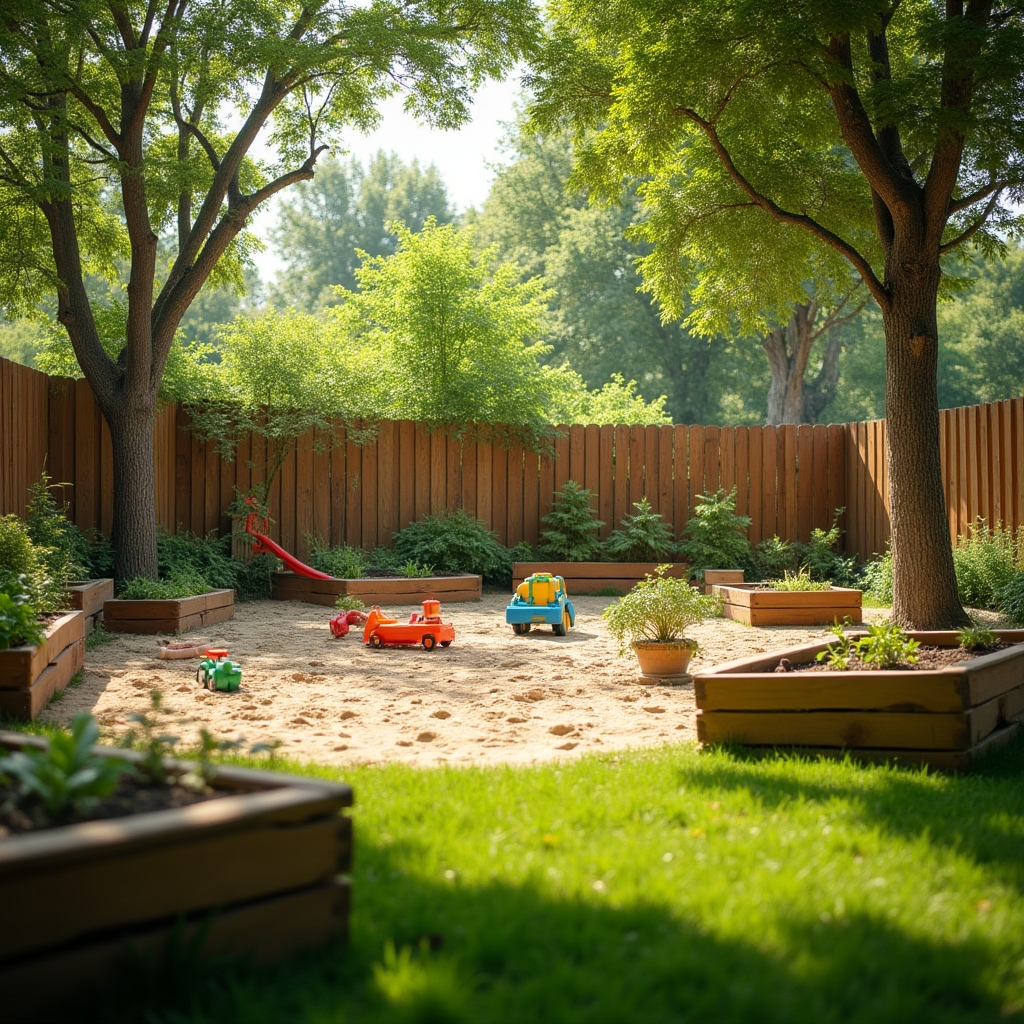
The garden serves a different purpose: movement, fresh air and small responsibilities such as watering plants. Between the two spaces, children get both calm and activity within a single day.
Two tracks, one shared foundation
Play-Based Core
The default programme for every group. Activities are conducted primarily in the local language, with English introduced through songs and simple vocabulary at an age-appropriate pace.
English Immersion
An optional track where daily instructions, stories and songs are delivered mostly in English by educators comfortable teaching in that language. Suitable from around age three, once a child has settled into the core routine.
Ready to see it in person?
Reading about a day is one thing. Standing in the sensory room or watching a music session is another. Arrange a visit whenever suits you.
Book a Visit